

If you own a wood fence, weather is one of the defining factors that will determine how long your fence will last in its original form. Blazing heat, relentless UV exposure, and heavy humidity swings put your fence under constant attack, even when it still looks “fine” from the street. The truth is, hot and humid weather works quietly and steadily, breaking down wood fibers long before visible damage appears.
That’s why understanding how climate impacts a wood fence’s overall lifespan and long-term durability matters so much. With the right wood fence maintenance and protection strategies, homeowners can avoid costly repairs and premature replacements. And yes, professional staining makes a massive difference.
In this guide, the experts at Stain Guys break down exactly how Texas heat, sun, and humidity affect your fence over time, what warning signs to watch for, and how to protect your investment before deterioration takes hold.
How Sun Exposure Breaks Down a Wood Fence Over Time
Sun exposure gradually weakens a wood fence by stripping away moisture and essential oils that keep boards flexible. As the wood dries out, it becomes more brittle, increasing the likelihood of cracking and surface wear. Over time, this ongoing UV exposure accelerates aging and leaves the fence less resilient to everyday stress and weather changes.
Why South- and West-Facing Fences Suffer More
Fences exposed to intense afternoon sun experience faster color fading and surface erosion. Without wood fence protection, these sections often fail years before shaded areas.
Early Warning Signs of Sun Damage
These common signs often appear early and signal that a wood fence is beginning to break down.
- Lightened or gray wood tones
- Rough, brittle surfaces
- Small surface cracks that worsen over time
Left untreated, sun exposure dramatically shortens a wood fence’s lifespan, even when structural damage isn’t immediately visible.
Moisture, Humidity, and the Real Threat of Wood Rot
Moisture is one of the most destructive forces acting on a fence.
Humidity Penetrates Unprotected Wood
Without proper sealing, moisture seeps into the wood grain, causing internal moisture damage that weakens boards from the inside out. Once trapped, moisture becomes nearly impossible to remove naturally.
The Connection Between Rot and Structural Failure
Rot often starts at fence posts or lower boards, then spreads upward. As rot progresses, fences become unstable, lean, or collapse entirely, turning minor issues into major repair bills.
Warping, Cracking, and Splitting: Structural Damage Explained
Heat and moisture don’t just affect how a fence looks; they impact how it functions.
Boards Warping and Twisting
When wood absorbs moisture unevenly and then dries rapidly, boards bend and twist. Warped fence boards create gaps, weaken security, and ruin curb appeal.
Cracks That Lead to Bigger Problems
Small surface cracks allow moisture to penetrate deeper, accelerating rot and causing further splitting. Over time, cracks widen, nails loosen, and boards fail.
Why Ignoring Structural Damage Is Costly
Minor issues left untreated often lead to large sections needing replacement. Preventative wood fence maintenance is far more affordable than reactive repairs.
How Stain Protects Against Heat and Sun
High-quality stain blocks UV rays, slowing lignin breakdown and preventing severe wood fence deterioration. It also keeps wood flexible, reducing cracking.
The Long-Term Cost of Skipping Wood Fence Protection
Putting off fence staining might feel like a short-term savings, but it almost always leads to higher costs down the road. Without protection, a wood fence fades faster, weathers unevenly, and becomes more vulnerable to cracking, warping, and moisture intrusion. As those issues build, structural integrity weakens, leading to more frequent and more expensive repairs. In many cases, what could have been prevented with routine wood fence maintenance turns into the need for large section replacements, or even a full fence rebuild, years earlier than expected. Investing in preventative care helps control long-term expenses and keeps minor wear from turning into major damage.
Best Practices for Fence Maintenance in Hot Climates
Maintaining a fence in hot climates requires a proactive approach. Focusing on a few key habits can help prevent weather-related damage and keep your fence in strong condition for years.
- Perform regular inspections to catch early signs of wood fence weather damage, especially after extreme weather.
- Make timely repairs by fixing loose boards and cracks before moisture penetrates deeper into the wood.
Protect Your Wood Fence Before Damage Takes Over
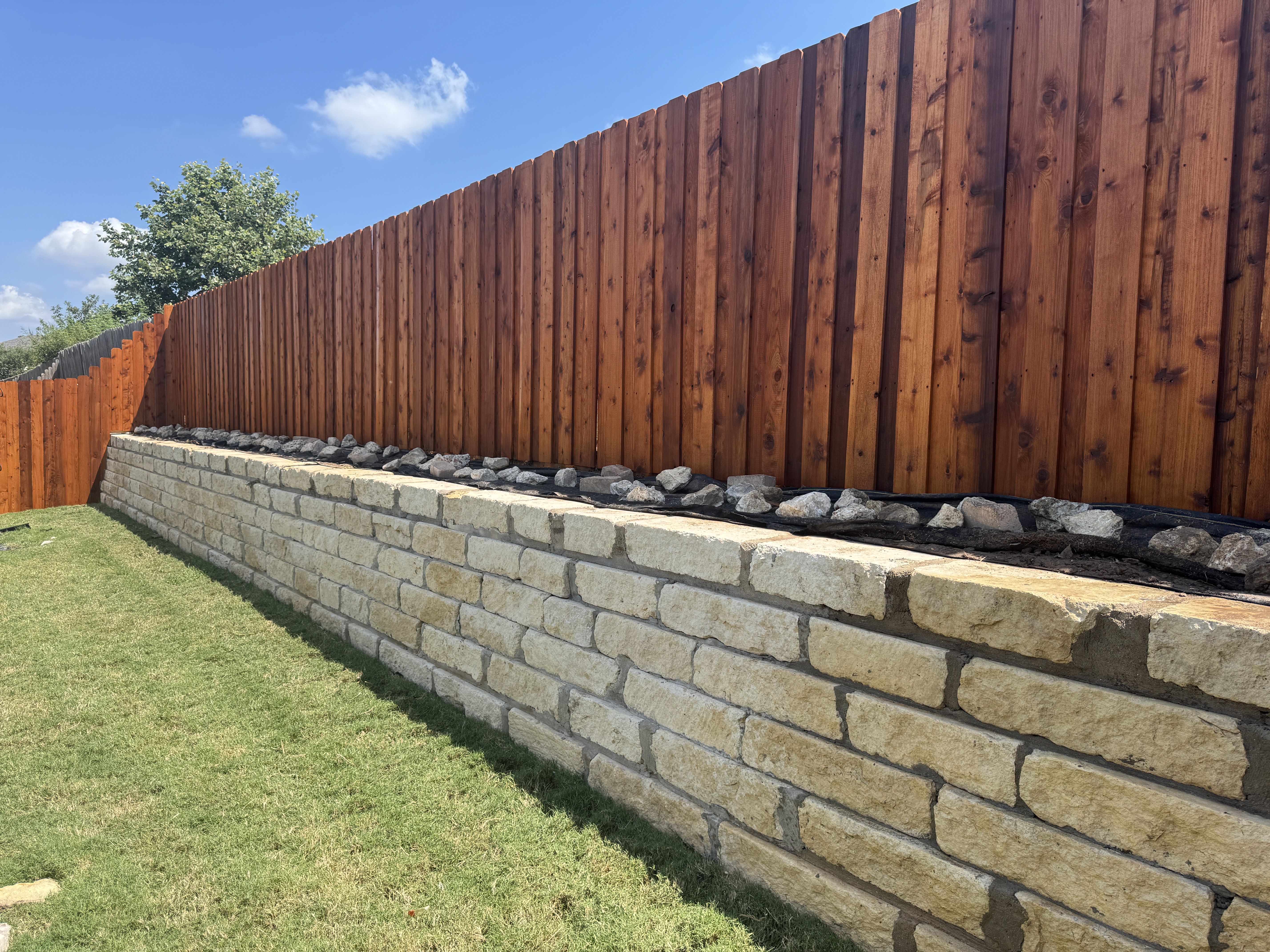
Your wood fence faces harsh conditions every single day, and once damage sets in, it only gets worse. The heat, sun, and humidity don’t take breaks, and neither should your fence protection plan. At Stain Guys, we specialize in helping homeowners extend fence life, prevent costly repairs, and maintain strong curb appeal through professional staining and maintenance services. If your fence is fading, cracking, or simply overdue for protection, now is the time to act.
Reach out to Stain Guys today, and let our team help safeguard your fence against the weather before minor wear becomes significant damage.
Frequently Asked Questions About Wood Fence Weather Damage
How soon after installing a wood fence should it be stained?
In hot climates, staining is often recommended within a few months of installation once the wood has dried properly. Waiting too long exposes new wood to UV damage and moisture before it’s protected.
Does fence orientation really affect how fast damage occurs?
Yes. Fences facing west or south typically receive more intense sun exposure, leading to faster fading, drying, and structural wear than shaded areas.
Can staining help fix existing weather damage?
Staining won’t reverse structural damage, but it can slow further deterioration. In some cases, light surface wear can be improved visually after proper cleaning and preparation.
Up Next: Boosting Value Beyond Protection
Now that you understand how weather affects your wood fence, the next step is to learn how protection translates into real value. Check out our next article: Does Fence Staining Increase Property Value? What Homeowners Should Know to discover how staining affects curb appeal, buyer perception, and resale potential.
0 Comments