

A wood fence brings warmth, privacy, and character to a property, but it also takes the brunt of the elements every single day. From intense sun and high temperatures to moisture, humidity, and sudden weather shifts, outdoor wood is constantly under pressure. Over time, that exposure adds up, slowly breaking down wood fibers and shortening the fence’s usable life if protection isn’t in place.
The good news is that harsh-weather damage isn’t inevitable. With the right approach to wood fence protection, homeowners can dramatically slow deterioration, maintain appearance, and extend the lifespan of their wood fence. In this guide, we’ll walk through how weather affects outdoor wood, why damage often goes unnoticed until it’s advanced, and what actually works when it comes to protecting wood fences the right way.
Why Weather Is the Biggest Threat to a Wood Fence
Weather doesn’t destroy a fence all at once; it wears it down little by little. Sun exposure dries out wood surfaces, moisture seeps in through unprotected areas, and temperature changes cause wood to repeatedly expand and contract. Over time, this constant cycle weakens boards, loosens fasteners, and accelerates fence deterioration.
Even seemingly solid fences can be subject to hidden weather-related stress. Without proper weather protection, wood gradually loses its ability to withstand the elements, making damage harder and more expensive to repair later.
How Sun Damage Weakens a Wood Fence Over Time
Sun exposure is one of the most underestimated causes of weather damage to wood fences. Constant UV exposure strips natural oils from wood, drying it out and leaving boards brittle and less flexible. As the surface dries unevenly, cracks form more easily, especially during periods of extreme heat.
Fading is often the first visible sign of sun damage. While fading may seem cosmetic, it usually signals deeper changes happening within the wood. Once UV damage progresses, untreated wood becomes far more vulnerable to moisture intrusion and structural stress.
Moisture Exposure: Damage That Happens Below the Surface
While sun damage dries wood out, moisture exposure works in the opposite direction, and equally destructive direction. Rain, humidity, and ground contact allow moisture to soak into unprotected wood fibers. Once moisture is trapped, it weakens the boards’ internal structure and creates ideal conditions for rot.
What makes moisture damage particularly dangerous is how quietly it develops. Many homeowners don’t realize moisture is an issue until boards feel soft, posts begin to lean, or sections lose stability. At that point, repairs are often more involved than expected.
Temperature Swings and Structural Stress on Outdoor Wood
In regions with fluctuating temperatures, fences expand and contract constantly. Wood naturally reacts to these changes, but repeated movement can place stress on joints, fasteners, and connection points. Over time, this movement causes gaps, loosening, and misalignment, compromising the overall stability of the fence.
These small shifts may not be obvious at first, but they often set the stage for larger structural issues if left unaddressed.
Early Warning Signs of Weather-Related Fence Damage
Weather damage often gives subtle clues before major problems appear. Uneven fading, surface cracking, rough textures, or boards that stay damp longer than expected are all indicators that protection may be lacking. Paying attention to these early signs allows homeowners to step in before deterioration accelerates and unnecessarily shortens a wood fence’s lifespan.
Wood Fence Protection Depends on Consistent Maintenance
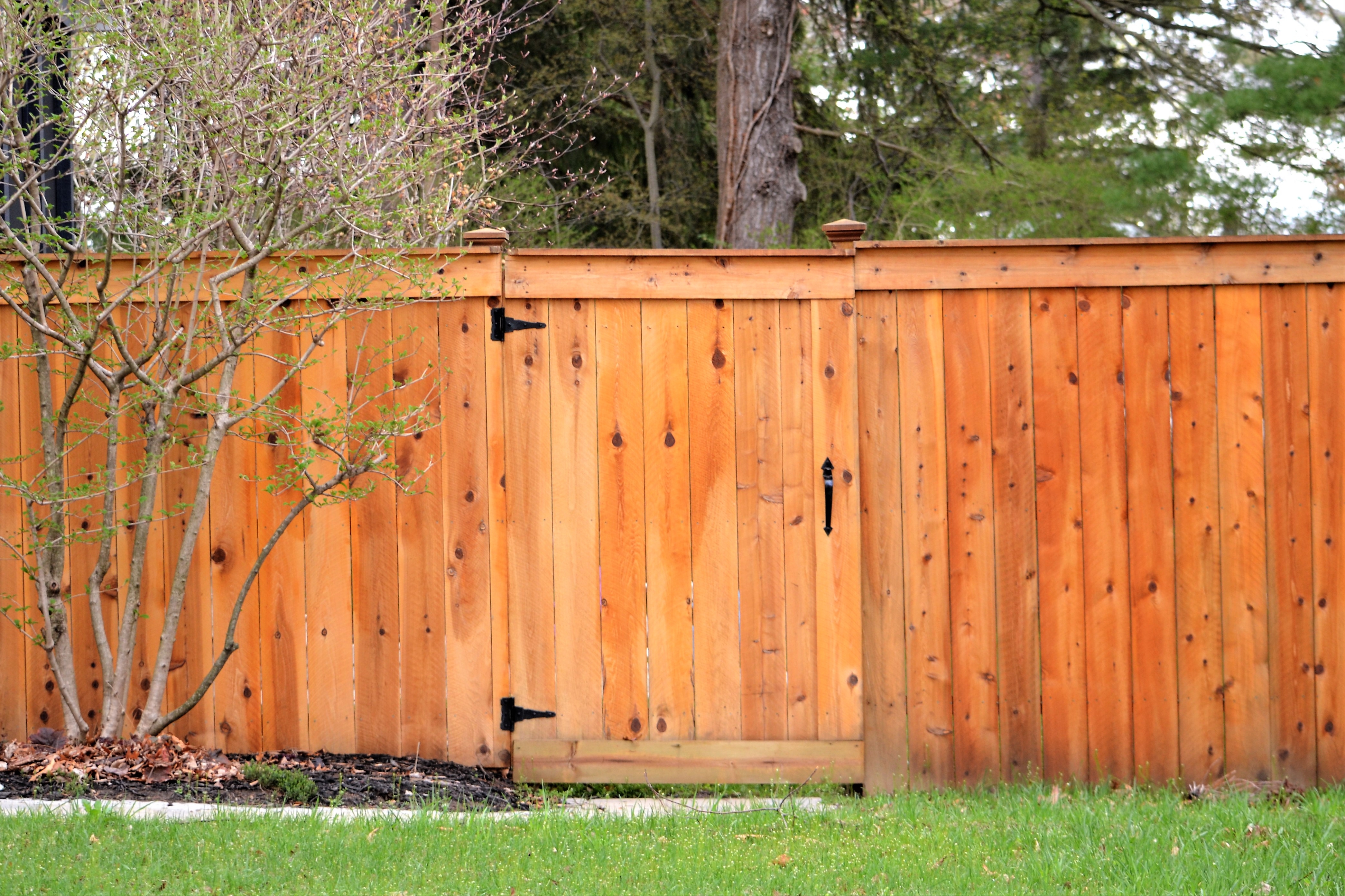
Effective wood fence maintenance isn’t about constant work; it’s about staying consistent. Fences that receive periodic attention age more evenly and withstand weather exposure far better than neglected ones.
Routine maintenance helps control moisture levels, supports structural integrity, and prevents small issues from becoming major repairs. Over time, this consistency becomes the backbone of long-term wood fence protection.
Why Cleaning Plays a Role in Weather Protection
Fence cleaning is often seen as cosmetic, but it plays a critical role in protecting outdoor wood. Dirt, pollen, algae, and organic debris trap moisture against the surface, preventing proper drying after rain or humidity.
By keeping the surface clean, homeowners allow wood to breathe and dry naturally, reducing the risk of moisture-related damage. Cleaning also prepares the fence for protective treatments that work best on clean, open wood grain.
Staining as a Barrier Against Sun and Moisture
Staining is one of the most effective ways to protect a wood fence from harsh weather. Rather than sitting on the surface like paint, stain penetrates the wood, helping regulate moisture absorption while blocking harmful UV rays.
This protective layer reduces drying, cracking, and water intrusion, all major contributors to fence deterioration. Over time, staining becomes one of the most reliable ways to extend a wood fence’s lifespan while maintaining its natural appearance.
Landscaping Choices That Affect Fence Health
The area around your fence matters more than many homeowners realize. Vegetation growing too close can block airflow, trap moisture, and keep wood damp longer than it should be. Over time, this accelerates deterioration even if the fence itself is well-built.
Maintaining proper spacing between plants and the fence allows sunlight and air to help dry the wood, supporting better long-term protection for the fence.
Common Mistakes That Leave Wood Fences Vulnerable
One of the most common mistakes homeowners make is waiting until damage is obvious before taking action. By the time boards crack or posts lean, weather exposure has usually been working for years behind the scenes.
Another mistake is treating protection as optional. Skipping maintenance or delaying protective steps often leads to higher repair costs and a significantly shorter fence lifespan.
Protect Your Wood Fence the Right Way
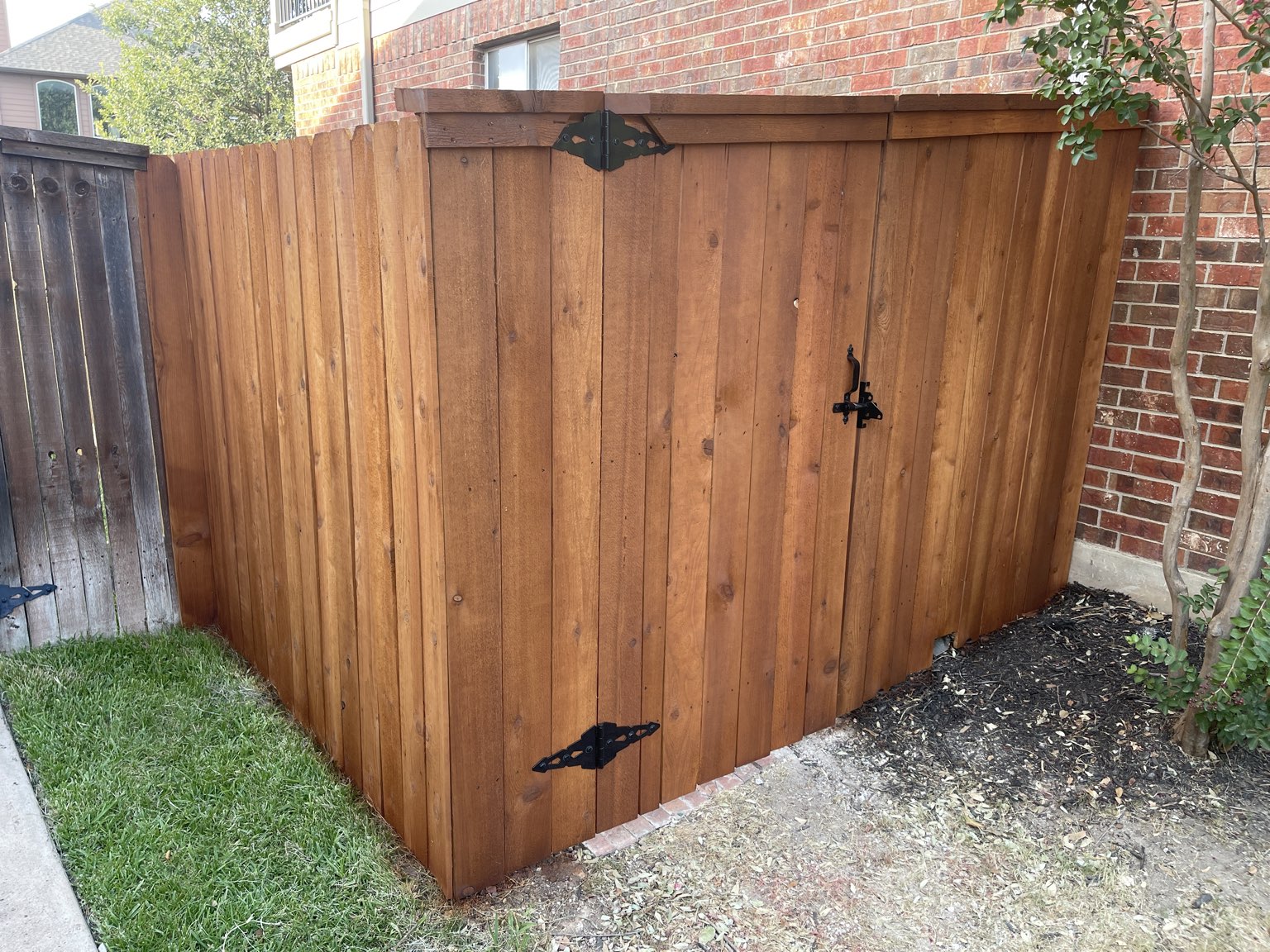
Your wood fence is exposed to harsh weather every single day in Georgetown, whether the damage is visible or not. Taking action now is the easiest way to preserve its strength, appearance, and value for years to come. At Stain Guys, we specialize in protecting wood fences from sun, moisture, and long-term weather damage using professional methods that last. If your fence is showing early signs of wear or you want to prevent damage before it starts, contact Stain Guys today and let us help you protect your investment with confidence.
Frequently Asked Questions About Protecting a Wood Fence
Can weather damage occur even if your fence looks fine?
Yes, weather-related damage often begins beneath the surface long before visible signs appear. Regular inspections and proactive protection help prevent hidden deterioration from becoming a larger issue.
Does fence orientation affect weather damage?
Absolutely. Fences that receive direct afternoon sun or are in areas with poor drainage tend to deteriorate more quickly due to increased exposure.
Can weather protection improve an older fence?
While protection can’t reverse existing damage, it can slow further deterioration and help stabilize aging wood when applied correctly.
Up Next: Restore Your Fence From the Ground Up
Now that you understand how to protect your wood fence from harsh weather, the next step is to restore it. Check out our next article: How Professional Fence Cleaning Transforms Your Wood Fence to see how proper cleaning revives appearance and prepares wood for long-term protection.
0 Comments